
About Natural-looking Dental Implants
in Lexington, SC
What Are Dental Implants?
A Simple Guide to Modern Tooth Replacement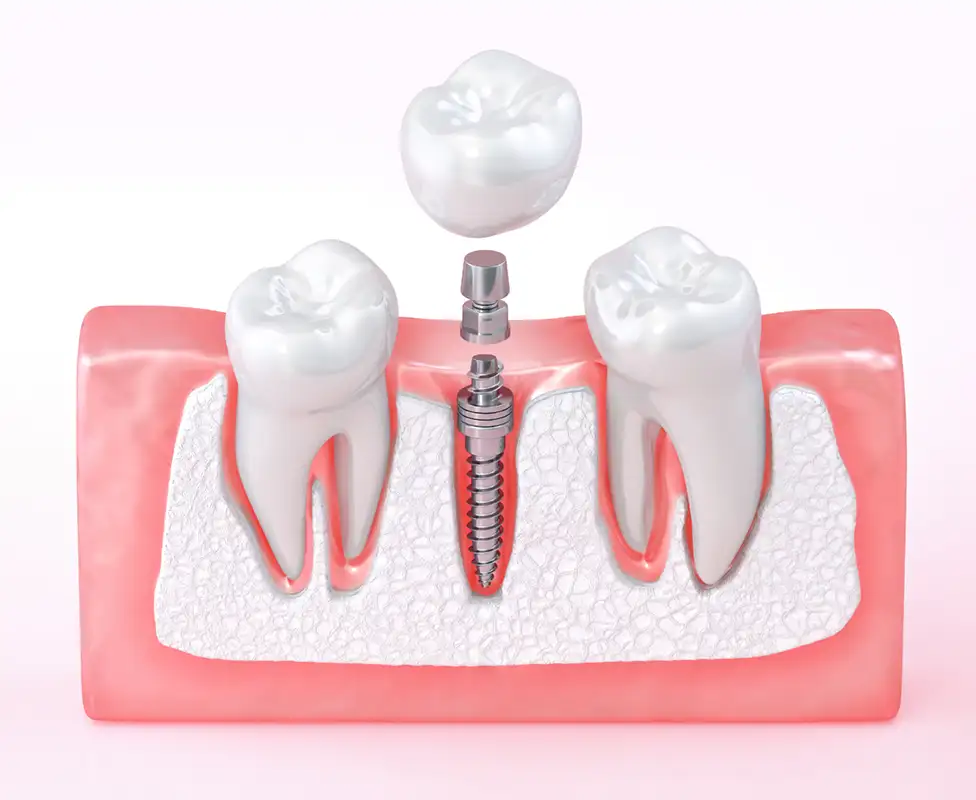
There are several types of dental implants:
- Single-tooth Dental Implants are ideal if you're missing just one tooth. They require one implant to support each replacement tooth (crown).
- Full Arch Dental Implants (like All-on-X) are a permanent, fixed solution for replacing a full set of teeth using just a few implants.
- Bar Attachment Denture, sometimes called implant-retained overdentures or implant-supported bar dentures, can replace a full-arch using a denture that’s removable for daily cleaning.
- Zygomatic Implants: Unlike regular dental implants, which anchor into the upper jawbone, zygomatic implants are longer and anchor into the cheekbone (the zygomatic bone), which is much stronger and denser. A great solution for those who may not be a candidate for traditional dental implants due to bone loss in the upper jaw.
If you’re looking for trusted dental implant treatment in Lexington, SC, our oral surgery specialists are here to guide you every step of the way.
Who Performs Dental Implant Surgery?
Every dental implant surgery at Lexington Facial & Oral Surgery is performed by a board-certified oral and maxillofacial surgeon—a specialist with years of advanced training in head, neck, jaw, and facial surgery. Board certification means your surgeon has years of training in surgery and anesthesia, well beyond dental school, and your surgeon has met and maintains the highest standards of surgical knowledge, skill, and patient care.
At Lexington Facial & Oral Surgery, we proudly serve the Lexington, SC communities with trusted expertise and compassionate care.
Who Is a Good Candidate?
Dental implants may be right for you if:- You’re missing one or more teeth
- You want a permanent solution that looks and feels natural
- Your jawbone is healthy (or can be improved with a bone graft)
- You’re in overall good health and free of uncontrolled chronic conditions
Symptoms and Signs
You May Need Dental Implants- Missing one or more teeth. The most direct and common reason for needing implants.
- Loose or ill-fitting dentures. Difficulty eating or speaking comfortably due to unstable dentures.
- Severe tooth decay or infection. When a tooth can’t be saved with a filling, crown, or root canal.
- Cracked or fractured teeth beyond repair, especially if the damage extends below the gum line.
- Bone loss in the jaw. Missing teeth can lead to bone deterioration—implants help preserve bone structure.
- Shifting or drifting teeth. Nearby teeth moving into the gap left by a missing tooth.
- Facial sagging or premature aging. Loss of teeth and bone can affect facial structure and appearance.
- Pain when chewing. Could be due to failing teeth, jawbone problems, or poorly fitting restorations.
- Speech problems due to tooth loss. Gaps in your teeth can make it difficult to pronounce certain words clearly.
- Chronic gum infections around damaged teeth. Could be a sign that a tooth is failing and may require replacement.
- Jaw joint pain or TMJ discomfort. Often caused by uneven bite pressure from missing or unstable teeth.
- Inability to chew certain foods. Patients may find themselves avoiding tougher or crunchier foods entirely.
- Embarrassment or self-consciousness about smiling. Many people seek implants for both functional and cosmetic reasons.
Conditions That May Require Dental Implants:
- Tooth Loss From Gum Disease – Advanced gum infection (periodontitis) can destroy tissue and bone, leading to tooth loss.
- Untreatable Tooth Decay – When a cavity is so deep that it weakens the tooth beyond saving.
- Severely Fractured or Cracked Teeth, especially when the damage extends below the gum line or into the root.
- Missing Teeth From Birth (Congenital Absence or Hypodontia) – Some people never develop certain adult teeth and need a permanent replacement.
- Tooth Loss Due to Accident or Trauma – Sports injuries, car accidents, or falls can result in one or more missing teeth.
- Failed Root Canal or Crown – If a previous restoration no longer works, extraction and implant placement may be the best option.
- Osteolysis or Bone Loss in the Jaw – Common after long-term tooth loss; dental implants may require bone grafting before placement.
- Tooth Loss Due to Tumor or Cyst Removal – Surgical removal of oral growths can leave gaps where implants restore both function and esthetics.
- Tooth Loss From Oral Cancer Treatment – Patients who’ve undergone surgery or radiation may need careful reconstruction.
- Bruxism-Related Damage (Chronic Teeth Grinding) – Can lead to worn-down, broken teeth that may be beyond repair.
- Tooth Loss Due to Diabetes Complications – Uncontrolled diabetes increases the risk of infection and oral complications that may lead to extractions.
- Unstable or Worn-Out Dentures – Long-term denture wearers often turn to implants for better comfort and function.
- Tooth Loss From Autoimmune Disorders – Conditions like lupus or Sjogren’s syndrome can affect salivary glands and oral health, leading to tooth loss.
- Advanced Tooth Wear From Acid Reflux or Eating Disorders – Stomach acid or disordered eating can erode enamel severely.
- Failed Previous Implant or Restoration – Sometimes re-treatment is necessary if a past implant fails due to infection or poor placement.
Ready to Reclaim Your Smile?

Empowering Patients Through Education
Informed Consent & Oral Surgery VideosAt Lexington Facial & Oral Surgery, we’re dedicated to providing the best oral surgery experience, and part of that means upholding the highest ethical standards. As part of this commitment, we offer a comprehensive Patient Library.
In our Patient Library, you will find special videos designed to promote transparency, reduce anxiety, and ensure every patient feels confident and well-informed before treatment.
- Informed Consent Videos help patients understand the risks and benefits.
- General Education videos and our other resources help patients fully understand the procedures, the preparation, and the recovery phases.